
Separation Anxiety
Understanding fear of separation and building confidence, safety, and independence
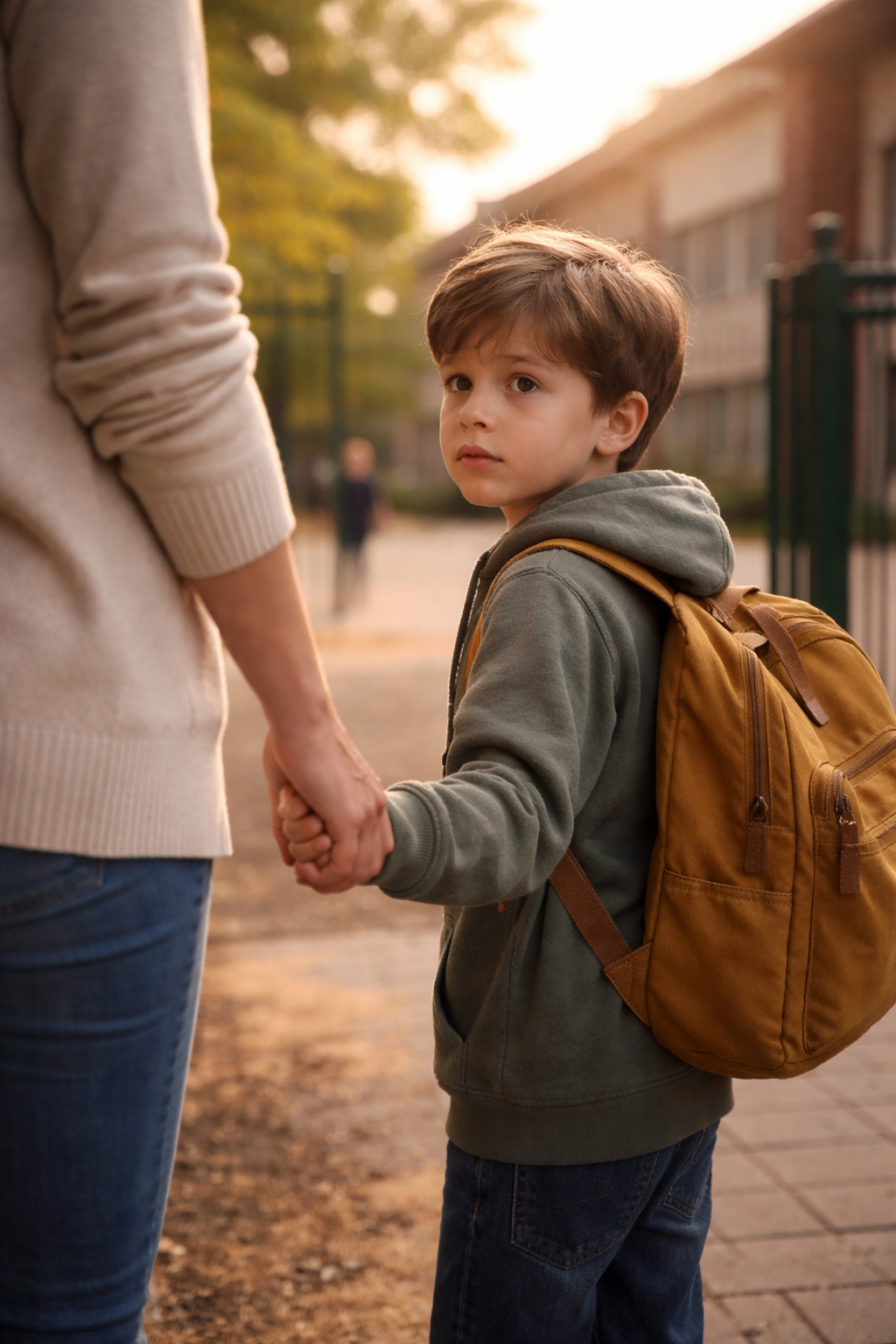
Separation anxiety involves intense fear or distress when being away from people we feel emotionally attached to. While some level of separation anxiety is developmentally normal in young children, it can become problematic when the fear is persistent, overwhelming, or interferes with daily life.
Separation anxiety can affect children, adolescents, and adults. It may involve worry about harm coming to loved ones, fear of being alone, difficulty leaving home, or strong physical symptoms when separation is anticipated.
At SGI Psychology in Preston (Northern Suburbs of Melbourne), our psychologists provide effective, evidence-based support for individuals and families experiencing separation anxiety.
How separation anxiety can present
Separation anxiety may look different at different ages. Common experiences include:
intense distress when separating from loved ones
fear that something bad will happen during separation
reluctance or refusal to attend school, work, or social activities
difficulty sleeping alone
frequent reassurance seeking
physical symptoms such as stomach aches, headaches, nausea
persistent worry about safety
clinging behaviours or avoidance of independence
panic symptoms when separation is anticipated
In adults, separation anxiety may appear as difficulty being alone, constant checking on loved ones, or avoiding activities that require independence.
Why separation anxiety develops
Separation anxiety can develop following:
stressful life events or change
illness, injury, or loss
trauma or frightening experiences
family stress
insecure attachment experiences
temperament and sensitivity to threat
Often, it is maintained by cycles of fear and reassurance that unintentionally reinforce anxiety.
How therapy helps
Psychological support can help:
understand how anxiety works in the brain and body
reduce fear and catastrophic thinking
build emotional regulation skills
increase tolerance for separation
gently build independence and confidence
support parents in responding effectively
strengthen secure attachment
reduce avoidance patterns
Therapy is gradual, supportive, and paced to ensure safety and trust.
Approaches we use
Your psychologist may draw from:
Cognitive Behaviour Therapy (CBT)
Parent-guided interventions for children
Acceptance and Commitment Therapy (ACT)
Attachment-informed therapy
Mindfulness-based strategies
Gradual exposure techniques
Emotional regulation skills
Where appropriate, we work collaboratively with parents, schools, and other health professionals.
Our location
SGI Psychology is based in Preston, in Melbourne’s northern suburbs, offering:
in-person psychology appointments
Telehealth sessions Australia-wide
Book an appointment
If separation anxiety is affecting your child, your family, or yourself, you can:
book an appointment online
contact our reception team: (03) 9495 0102
ask which psychologist may be the best fit for you
With the right support, confidence and independence can grow.